
Alentejo, PORTUGAL
Out in the Alentejo
Shrubby oak trees, defining geometry on the soft hills along a swingy road. Cows, beige coats and curvy eyelashes standing still, by the barbed wire fences. Once again, minimum directions heading East in the search for our grower-supplier of a prize-winner biodynamic extra virgin olive oil, five hours South-East of Lisbon.
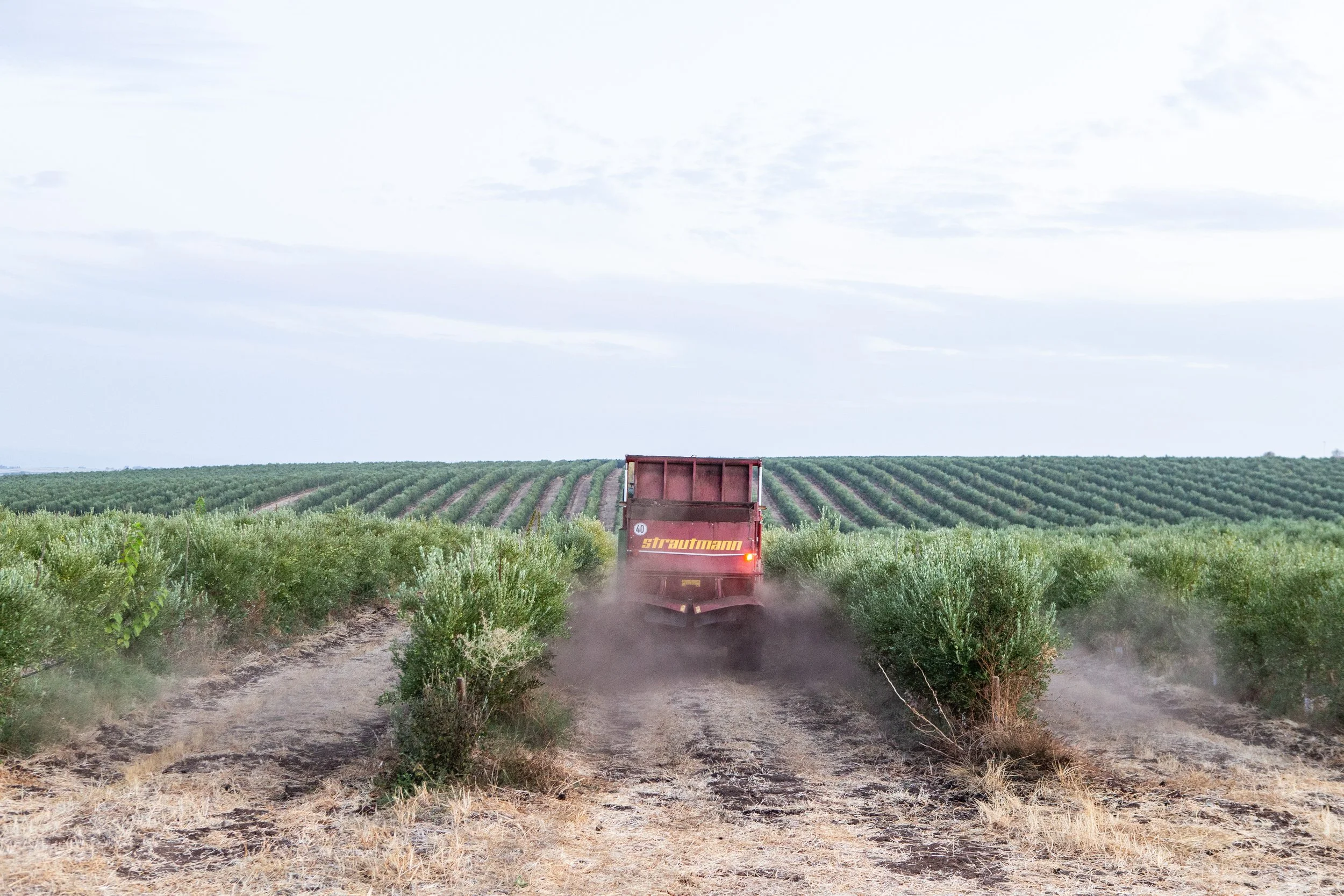
My instinct tells me, take this dirt road. Ten minutes in, a mushroom shaped olive tree deployed in rigorous rows lead us to a long stone building. A tall and thin fellow, twenty something, stylish wearing overall and straw hat walk-by with a smile on his face.
“Hey hi we are to meet Laura, is she around?”
She isn’t. We had flown to Lisbon from Boston, picked-up a car and drove to Albufeira, two hours south of Lisbon and spent a couple of nights there. The clean minimalist low key hotel was a chef-d’oeuvre of subtle luxury. Think monastery aesthetic slash super cool vibe. (Sorry just channeling my kids lingo here). Staff: quasi invisible. Lavish spread of moist cakes and patisseries for breakfast onto lunch, do-as-you-please. Cappuccino, latte, macchiato, your choice, you are in charge. We photograph the whole place for inspo.
Three hours later, with no precise directions, a faulty GPS we make a turn and by chance get to farm which is the whole reason we came to Portugal. Along the way, as we entered the province of Alentejo, the landscape reminds me of Morrocco. Shrubs and dwarf trees, red clay soil and dust flying on the whim of a breeze. Small roads and forest of oak trees that produce wine bottle corks. Poked with cylindrical holes. From bark to bottle. It’s obvious.
The big boss isn't available but Manuella is, and she is here to greet us and lead the tour. Later we proceed to a tasting of six olive oil samples. It starts to weigh heavy on the stomach but we agree on one. It is fragrant, balanced with a hint of citrus.
The farm is biodynamic and is under the rare and demanding classification of Demeter. Which means that the entire ecosystem of the farm works in symbiosis with the olive trees and its crop.
Because we ask, we get a complete education on the compost made of pomace, an ordinary degree of olive oil, olive tree leaves mixed with cow and sheep manure for fertilizer.
Olives types are Cobraceo, Arbequina which sounds like the mix of samba and tango.
And slowly we fall in love with this place and time. In my dreamy head, I drift in a life here, the family that we could be part of and our family that we would bring over.
We enter a chilled hangar full of towering stainless conical cylinders holding olive oil flipped on their base, early film science fiction genre’s vision of submarines. The tour continues and we finally part with the pledge of a future collaboration.
On the way traveling East we stop for dinner in Serpa. To get to the restaurant we find, the only one open, we climb a set of stairs outside a tall funky building to a second floor with waiter in black aprons, white shirt and a towel dangling on one arm. Oh! and they also wear the black gilet with the notepad and pen to take food orders. The food is heavy and we are having fun.
On the way to the airbnb nearby, we notice a town cat napping in a hollow olive tree.